Microcement vs Tile: Why NZ Designers Are Making the Switch
For decades, tiles have been the default surface solution for bathrooms, kitchens and high-use areas. Reliable, familiar, and widely available.
But across New Zealand, that’s starting to shift.
Architects and designers are increasingly specifying microcement as an alternative. Not as a trend, but as a more refined, high-performance way to approach surface finishes.
So what’s driving the change?
What is microcement?
Microcement is a multi-layer coating applied at 2 to 3mm over a prepared substrate. It creates a seamless, continuous surface across floors, walls and wet areas.
Unlike tiles, there are no joins or grout lines. The result is a clean, monolithic finish that works across both residential and commercial environments.
Tile: the traditional approach
Tiles remain a proven solution. They are widely understood by trades, relatively cost-effective, and available in a wide range of colours and formats.
But they come with limitations:
Grout lines that stain, crack or discolour over time
Visual breaks across surfaces
Ongoing maintenance in wet areas
More complex detailing at junctions and edges
For many designers, these constraints are becoming harder to justify.
Seamless design vs segmented surfaces
One of the biggest shifts is visual.
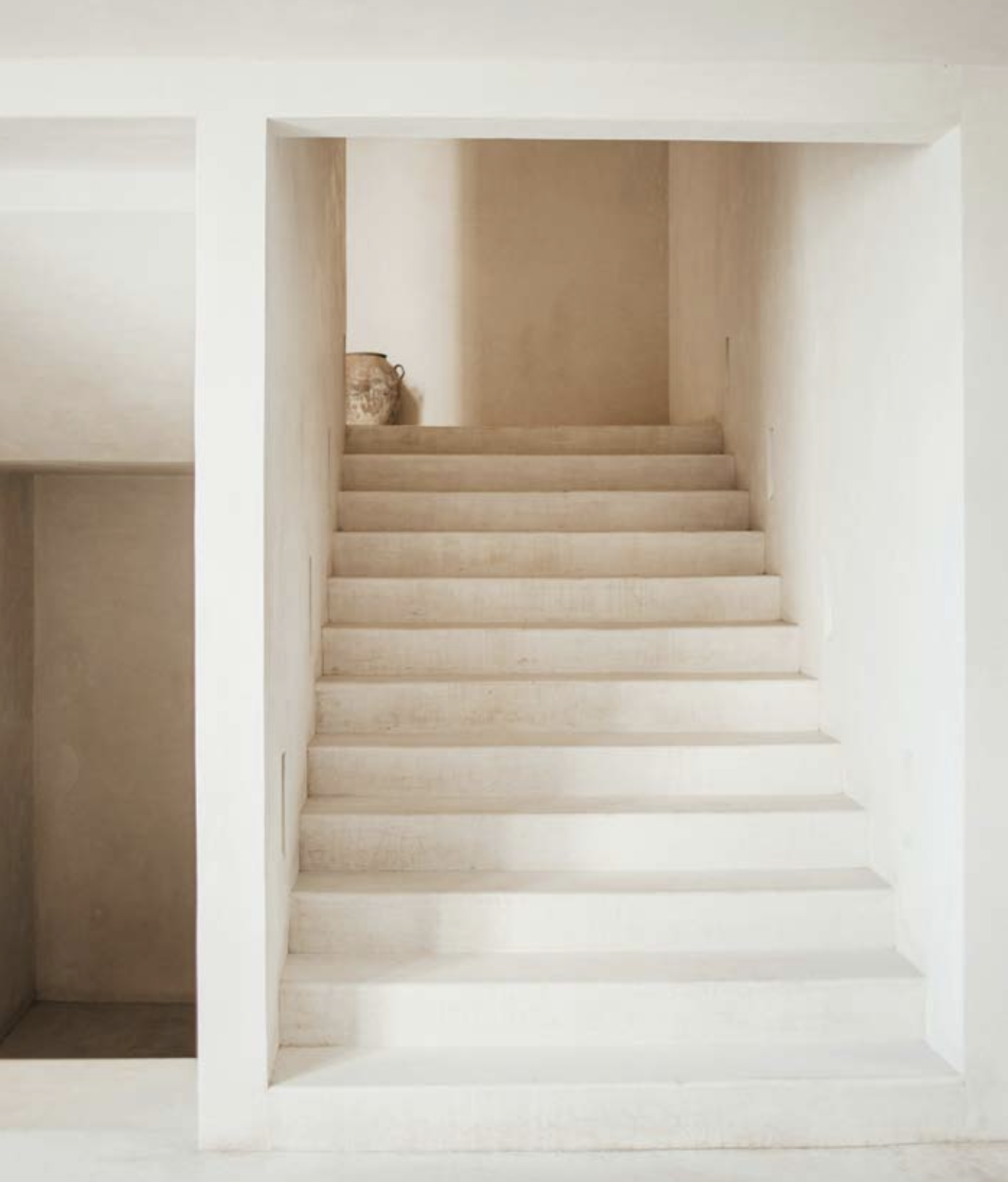
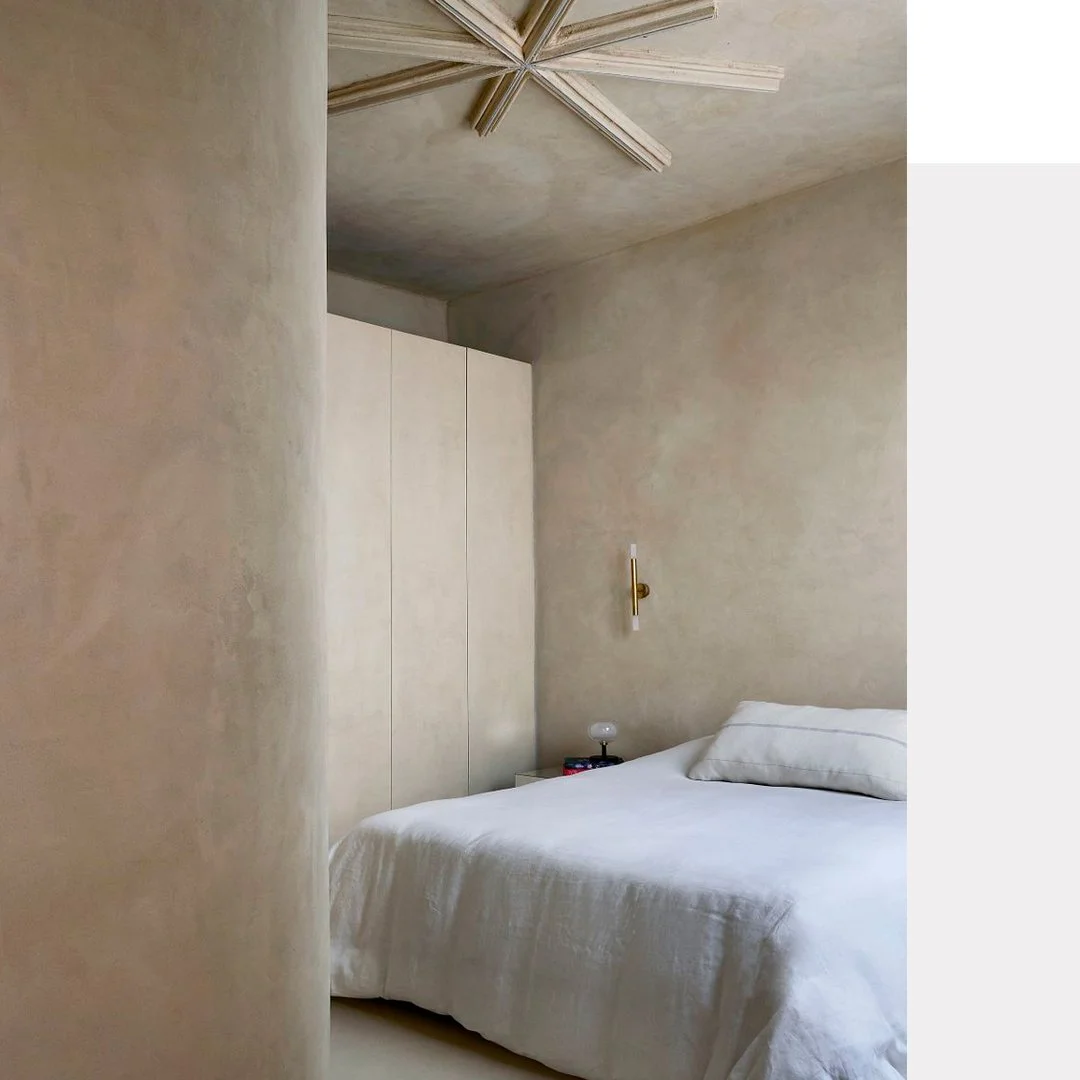
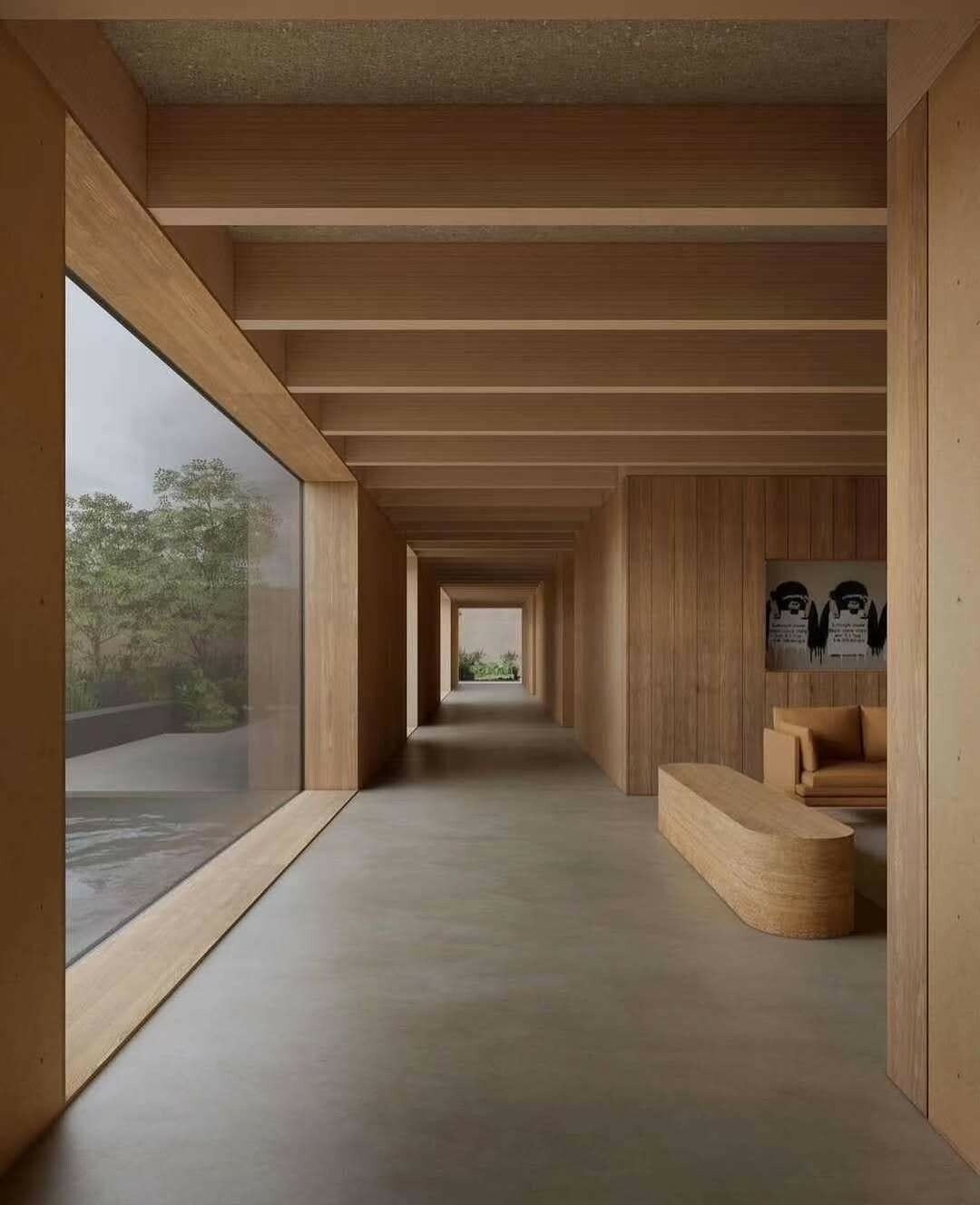
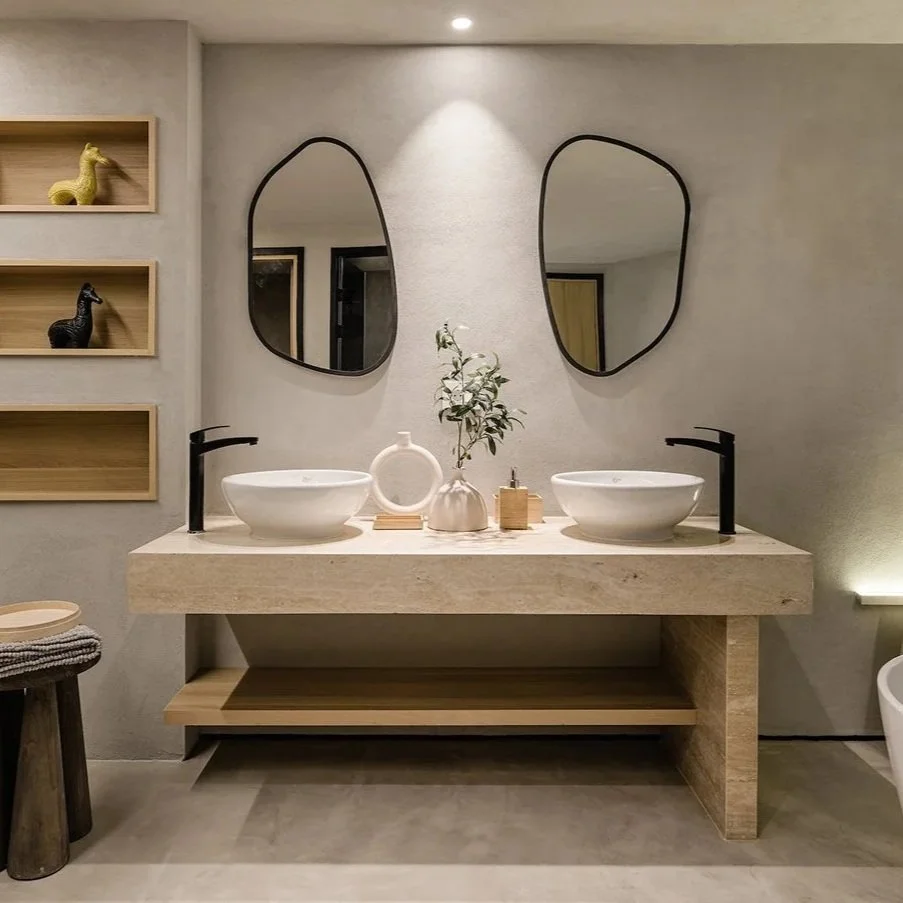
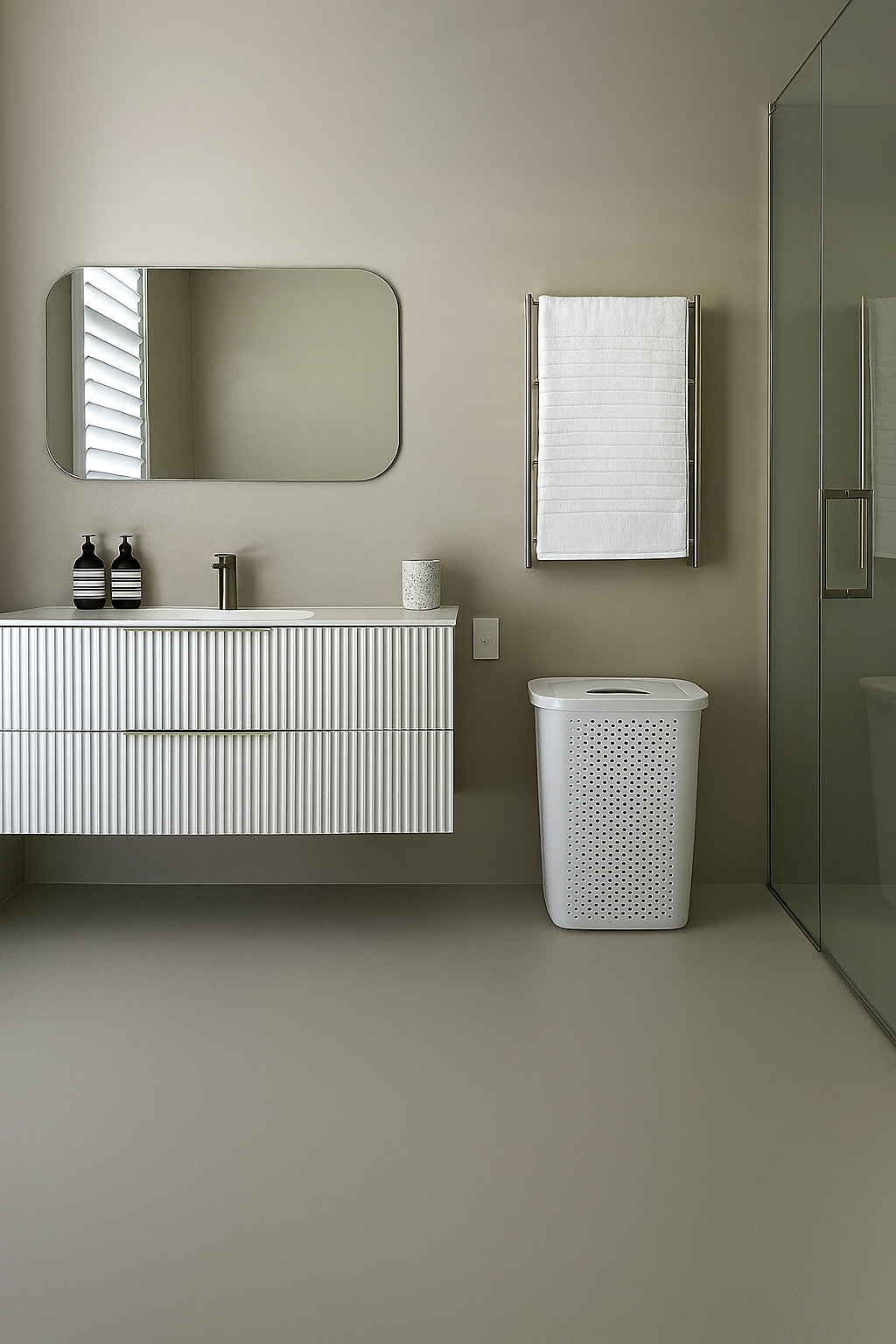
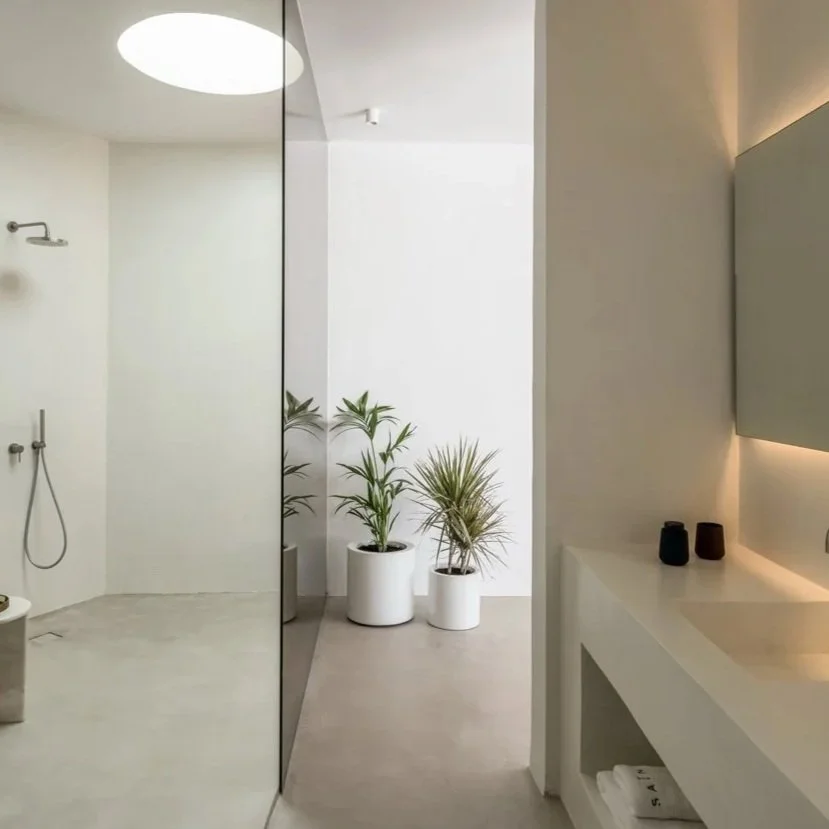
Microcement allows surfaces to flow uninterrupted from floor to wall, wall to ceiling, and across different zones within a space.
This creates:
A more resolved architectural outcome
Greater sense of space and continuity
Fewer visual interruptions
Tiles, by contrast, introduce a grid. Even with large formats, the pattern remains.
Performance in wet areas
Both tile and microcement can perform in wet areas when installed correctly. The difference is in how they manage water over time.
Tile systems rely on:
Grout integrity
Waterproofing beneath the tile
Ongoing maintenance of joints
Microcement systems:
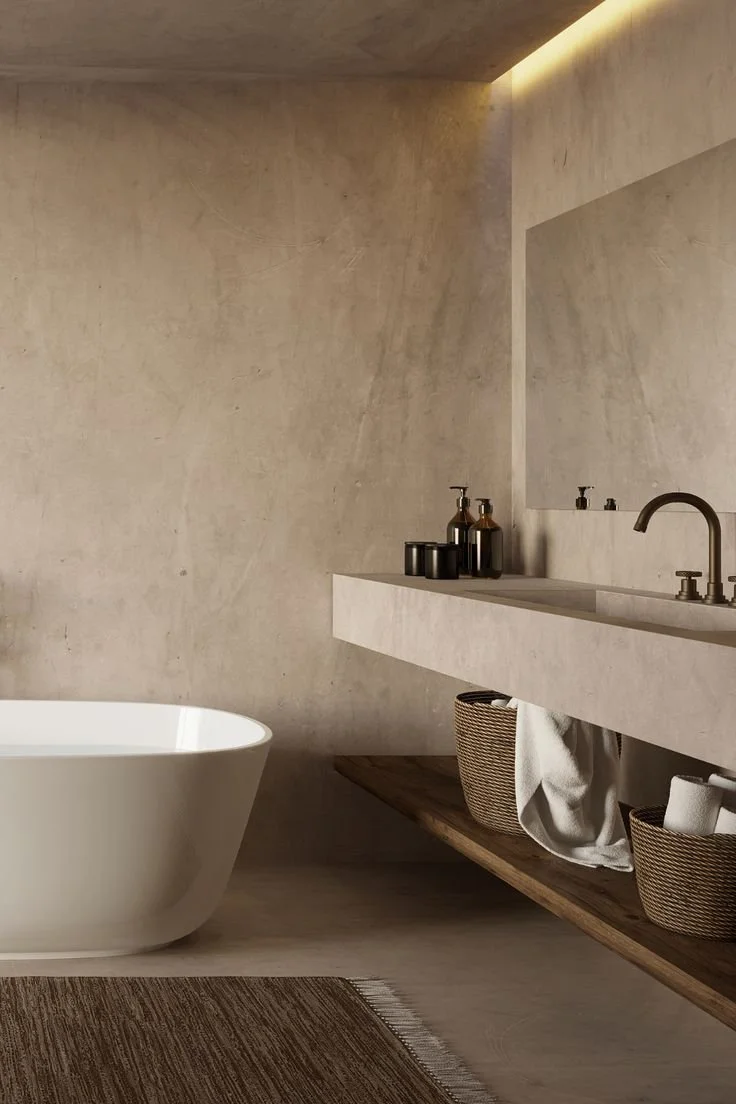
Are sealed across the entire surface
Eliminate grout lines as a failure point
Provide a continuous waterproof finish when specified correctly
For bathrooms and showers, this simplicity is a major advantage.
Maintenance and longevity
Maintenance is where many homeowners start to reconsider tiles.
Grout requires:
Regular cleaning
Periodic repair or replacement
Can trap mould and discolouration
Microcement, when sealed correctly, is:
Easy to clean
Resistant to staining
Maintained through periodic resealing
The result is a surface that is simpler to live with long-term.
Flexibility across surfaces
Tiles are typically limited to specific areas and substrates.
Microcement can be applied over:
Existing tiles
Concrete
Plasterboard and cement board
Exterior substrates (when specified correctly)
This makes it particularly useful for:
Renovations
Seamless indoor to outdoor transitions
Complex architectural detailing
Why designers are specifying microcement
Across New Zealand, the shift is being driven by a combination of design and performance.
Designers are looking for:
Cleaner, more resolved finishes
Fewer material transitions
Greater control over colour and texture
Systems that perform without ongoing compromise
Microcement delivers on both sides.
Is microcement replacing tile?
Not entirely.
Tiles still have a place, particularly in cost-sensitive projects or where a specific aesthetic is required.
But for high-end residential and commercial projects, microcement is becoming the preferred option where:
Design continuity matters
Maintenance needs to be reduced
A more architectural finish is required
The move from tile to microcement isn’t about following a trend.
It reflects a broader shift in how surfaces are considered. Less about individual materials, more about how they work together as part of the overall architecture.
For designers, it offers greater control.
For homeowners, a more refined and practical outcome.