

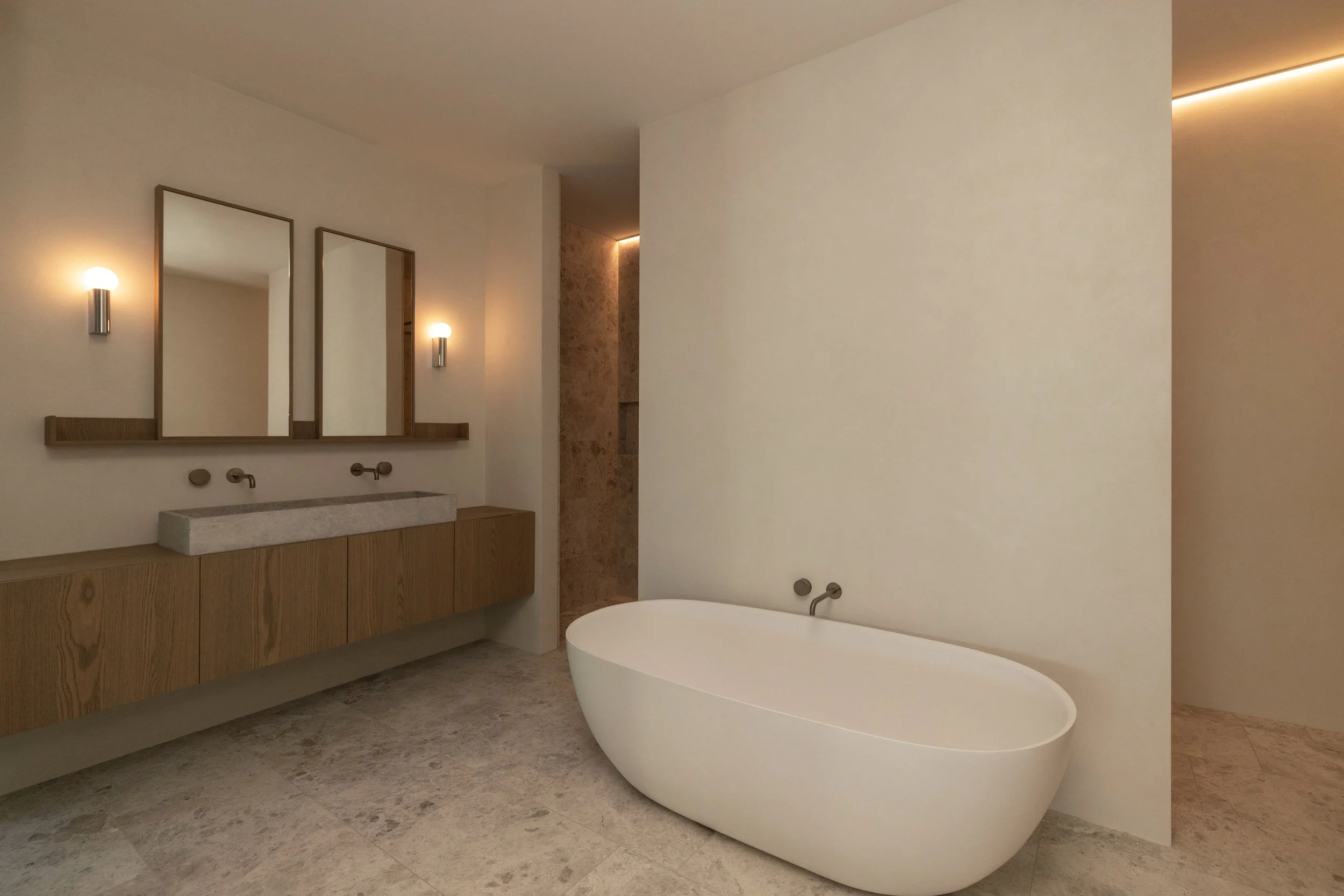
The complete guide to microcement in New Zealand
Microcement has quickly become one of New Zealand's most sought-after architectural finishes, and for good reason. Its seamless appearance, exceptional versatility and ability to transform existing surfaces have made it a favourite among architects, interior designers and homeowners looking for a modern, timeless finish.
Whether you're renovating a bathroom, updating a kitchen, designing a new home or specifying finishes for a commercial project, understanding how microcement works is the key to achieving a successful result.
This guide answers the most common questions we receive, including:
At The Finish, we specialise in premium architectural microcement and Venetian plaster finishes. We also install projects throughout New Zealand using our own experienced team and our nationwide Certified Applicator Network and offer a 10-year warranty on all of our microcement systems.
What is microcement?
Microcement is a high-performance decorative coating made from a blend of cement, fine aggregates, specialist resins and pigments. Applied by hand in multiple layers, it creates a seamless surface with subtle movement and texture that cannot be replicated by manufactured products.
Unlike polished concrete, which requires a structural concrete slab, microcement is only around 3 to 4 mm thick. This allows it to be applied over many existing surfaces without the need for costly demolition.
The result is a beautiful, continuous finish with minimal joins, making spaces feel larger, cleaner and more contemporary.
Microcement is suitable for both residential and commercial applications and can be used across walls, floors, bathrooms, kitchens, furniture, staircases and selected exterior applications.
Why choose microcement?
Microcement offers a unique combination of beauty, durability and practicality.
Some of the key benefits include:
Seamless finish with minimal grout lines
Contemporary architectural appearance
Suitable for renovations and new builds
Can often be installed over existing surfaces
Waterproof and NZ Building Code compliant
Highly durable for residential and commercial use
Available in a wide range of colours
Easy to clean and maintain
Suitable for walls, floors and joinery
Creates a continuous flow throughout a home
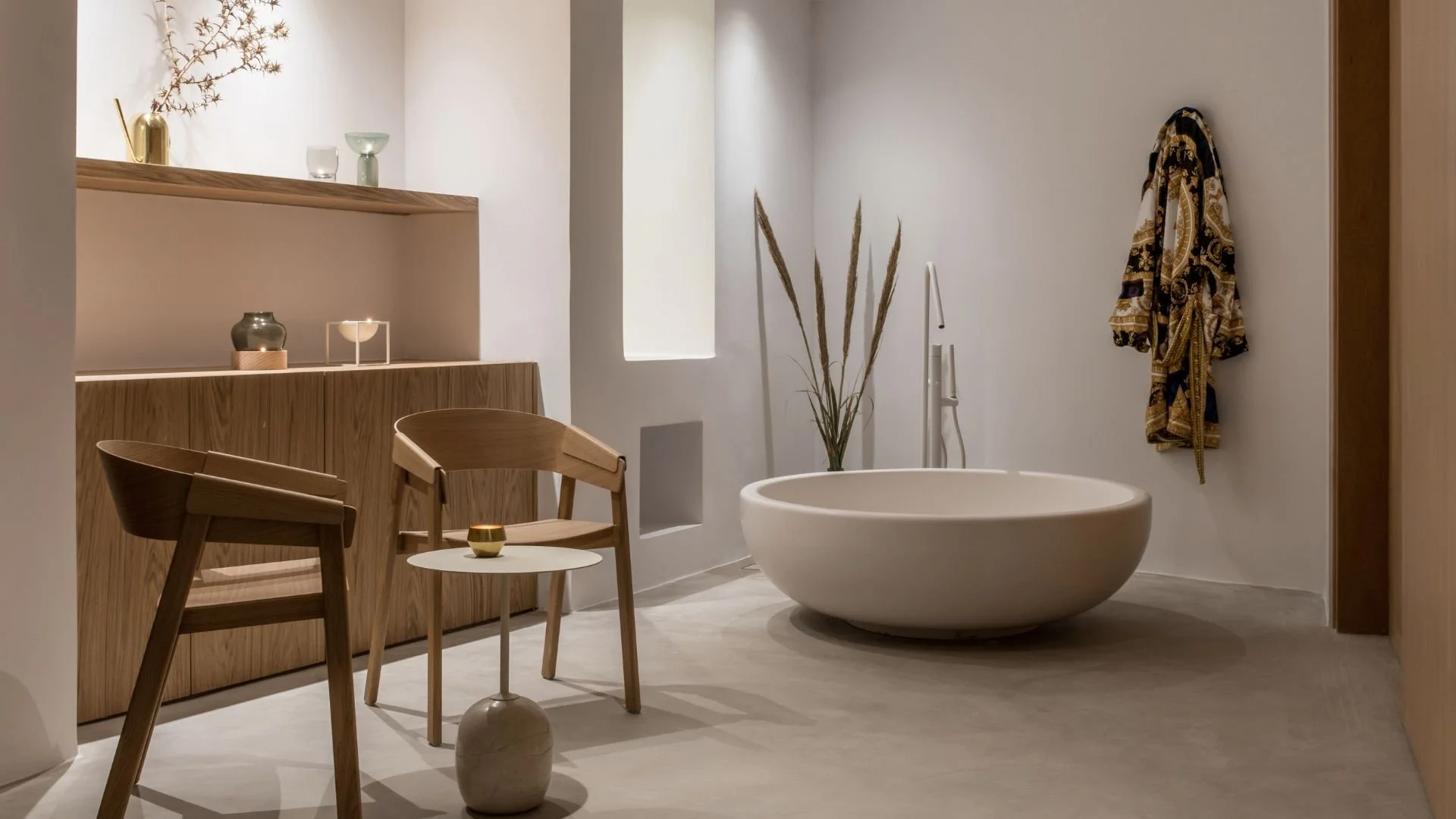
Where can microcement be used?
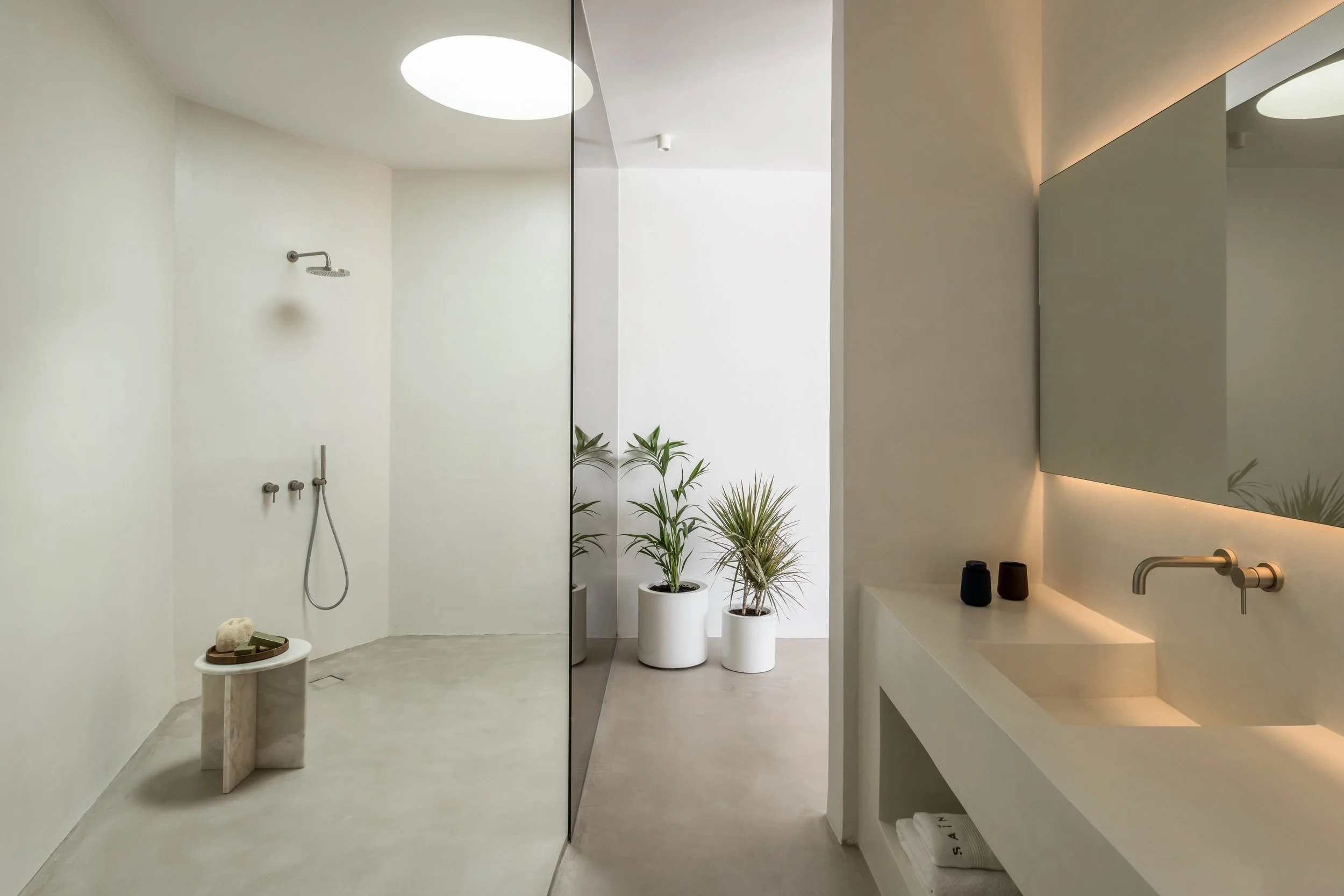
Microcement is one of the most popular choices for modern bathrooms thanks to its seamless appearance and ability to reduce grout lines.
It can be used on:
Shower walls
Bathroom walls
Bathroom floors
Vanity splashbacks
Vanity tops
Feature walls
When installed correctly over a compliant waterproofing system, microcement creates a beautiful, durable finish suitable for wet areas.

Microcement works beautifully throughout living spaces where continuous flooring creates visual flow between rooms.
Applications include:
Floors
Fireplaces
Feature walls
Staircases
Shelving
Cabinetry

Microcement for commerical projects
Microcement is widely used throughout commercial spaces including:
Retail stores
Hospitality venues
Restaurants
Hotels
Offices
Reception areas
Showrooms
Its durability and low-maintenance surface make it particularly suitable for high-traffic environments.
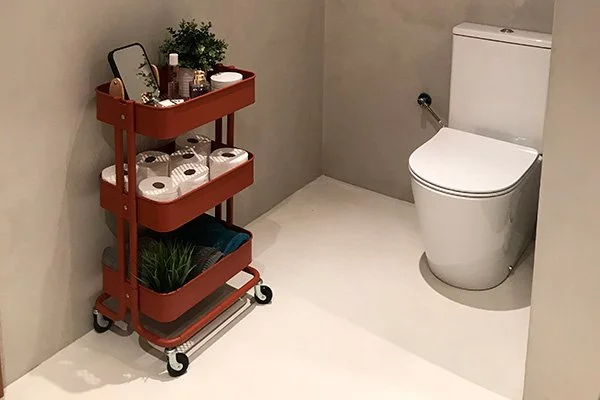
Can microcement be applied over existing tiles?
Yes, in most situations microcement can be installed over existing tiles.
This is one of the biggest advantages of the system as it can significantly reduce demolition costs and renovation time.
Why choose microcement over tiles?
When planning a renovation, one of the most common questions homeowners ask is whether to choose microcement or traditional tiles.
The answer isn't simply about cost. Both are excellent building materials, but they create very different finished spaces and suit different design styles.
If you're looking for a timeless, seamless architectural finish, microcement offers a level of continuity that simply isn't possible with tiled surfaces. If you prefer defined grout lines, decorative patterns or a more traditional aesthetic, tiles may be the better choice.
Tiles
Traditional appearance
Visible grout lines
Usually requires tile removal during renovations
Grout requires regular cleaning
Wide range of styles and patterns
Available at various price points
Microcement
Seamless finish
No grout lines
Can often be installed over existing tiles
Easy to clean
Contemporary architectural look
Premium handcrafted finish
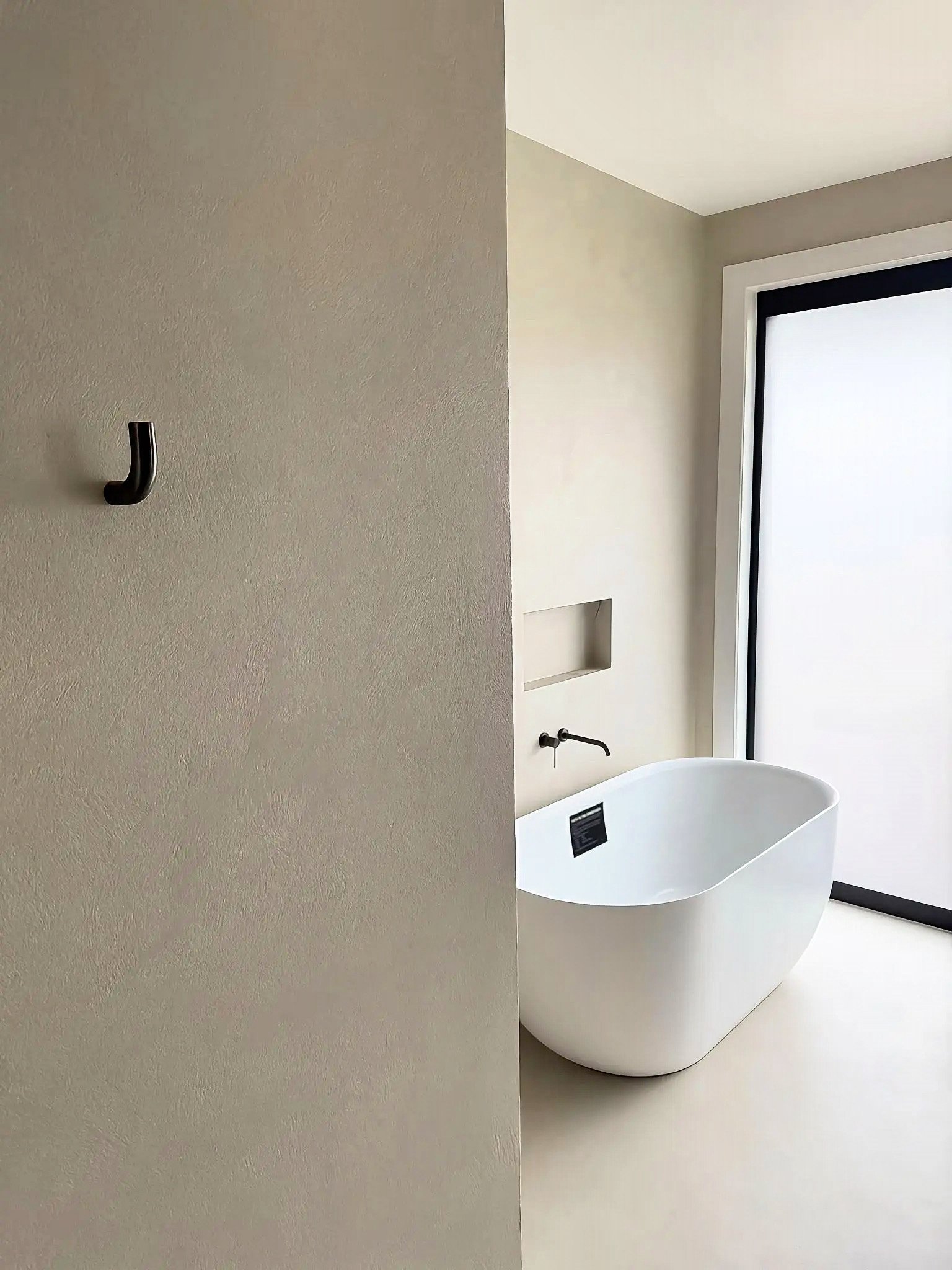
Is microcement waterproof?
The answer is yes, but with an important distinction.
As part of the New Zealand building code, microcement is required to be used in conjunction with a compatible waterproofing membrane.
At The Finish we use waterproofing systems that are compatible, ensuring the entire system performs as intended.
A typical wet area build-up includes:
Suitable substrate
Approved waterproof membrane
Reinforced microcement system
Protective sealer
This combination provides the durability, NZ Building Code compliance and finish homeowners require.
One of the most common questions we receive is whether microcement costs more than tiles.
The short answer is yes, it can. Professionally installed microcement is a premium architectural finish and represents a higher investment than standard ceramic or porcelain tiling. This is because it is a specialist, hand-applied system that requires extensive preparation, multiple application layers and installation by trained applicators.
However, comparing microcement solely on price doesn't tell the full story.
Unlike tiles, microcement creates a seamless surface with no grout lines, delivering a refined architectural finish that is difficult to achieve with other materials. It is often chosen for its aesthetic, continuity between spaces and ability to transform existing surfaces with minimal visual interruption.
In renovation projects, microcement can frequently be applied over suitable existing tiles or prepared substrates. This can reduce demolition, disposal and rebuilding costs, making the overall renovation more efficient than many homeowners initially expect.
Every project is different, and pricing is influenced by several factors, including:
The size of the area
The condition of the existing substrate
Surface preparation requirements
Waterproofing requirements for wet areas
The complexity of the design, including niches, stairs and detailed junctions
Site access and location
Whether the project is residential or commercial
Rather than thinking of microcement as an alternative to standard tiles, we encourage clients to view it as a premium architectural surface system. Like natural stone, high-end timber flooring or bespoke joinery, the investment reflects not only the materials used but also the craftsmanship required to achieve a beautiful, long-lasting finish.
If you're considering microcement for your project, we'd be happy to review your plans and provide a tailored quotation based on your space and requirements.
How much does microcement cost?
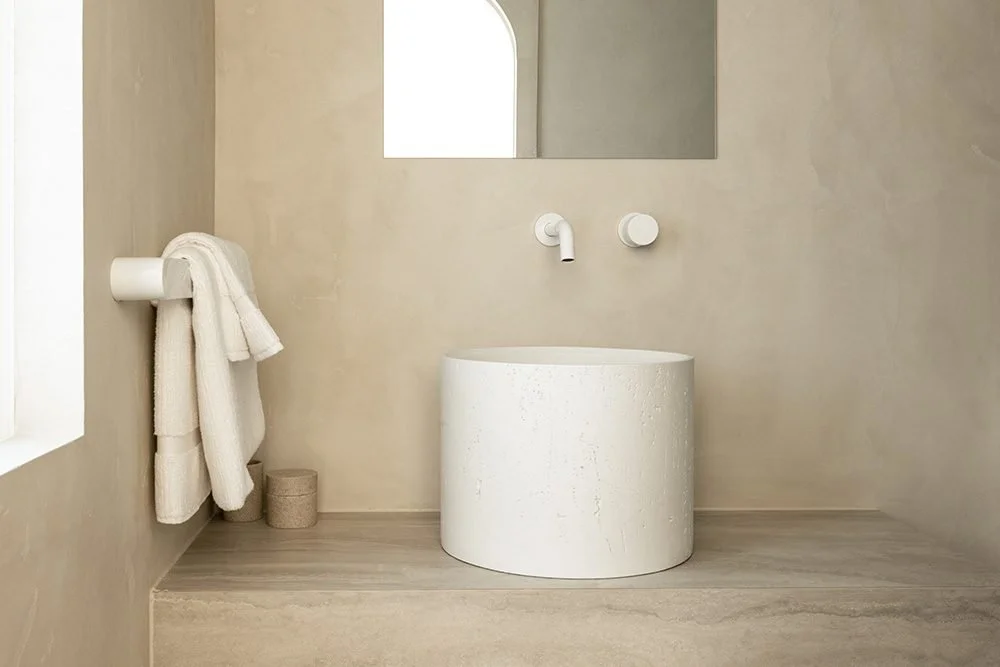
Microcement colours and finishes
Microcement offers far more than just concrete grey.
Our colour collection includes:
Warm whites
Soft greys
Earth tones
Taupes
Charcoals
Natural stone-inspired colours
Contemporary architectural neutrals
Different application techniques can also produce varying levels of movement and texture, allowing every project to feel unique.

Cleaning and maintaining microcement
Microcement is designed to be practical as well as beautiful.
For everyday cleaning we recommend:
Soft microfibre cloths
pH-neutral cleaners
Warm water
Avoid:
Abrasive cleaners
Bleach
Steel wool
Harsh chemicals
Like timber flooring or natural stone, proper care will help maintain its appearance for many years.
Why we don’t sell microcement for DIY projects
Microcement is not simply a decorative paint.
It is a specialist multi-layer system where every stage affects the final performance.
Correct installation relies on:
Substrate assessment
Moisture testing
Reinforcement techniques
Product knowledge
Correct mixing
Layer thickness
Sanding techniques
Sealer application
Cure times
For this reason, The Finish supplies microcement exclusively through our Certified Applicator Network.
This ensures every installation meets our quality standards and allows eligible projects to benefit from our product performance warranty.

How to get microcement in your home
-
Explore our colour collection, visit our showrooms in Auckland or Tauranga, search Pinterest or our Instagram to discover the look and finish that best suits your home.
-
Send us your project plans, photos of the existing substrate (if applicable) and your ideal project timeframe.
The more information you can provide, the more accurate our initial advice will be.
-
Our team will review your information and provide an indicative cost based on your project's size, substrate and complexity.
We'll also answer any questions you have about suitability, waterproofing requirements or finish options.
-
Once we've discussed your project, we'll connect you with one of our nationwide Certified Applicators.
They can provide a detailed quotation and guide you through the next steps for your installation.
-
Your project will be completed using our microcement systems by trained professionals, ensuring your finish meets our quality standards and is backed by our product performance warranty.
Why choose The Finish?
At The Finish, we believe great finishes begin with great systems, great products and experienced applicators.
As New Zealand's exclusive supplier of Cemher microcement and Novacolor Wall2Floor, we provide more than just products. We offer technical expertise, nationwide support, certified training and professional installation services backed by years of experience in decorative architectural finishes.
Whether you're building new, renovating or specifying a commercial project, we're here to help you create a space that is both beautiful and built to last.
Ready to explore microcement?
Get in touch with The Finish to request samples, arrange a consultation or connect with your nearest Certified Applicator.